
This analyst explains why you should own Curaleaf stock

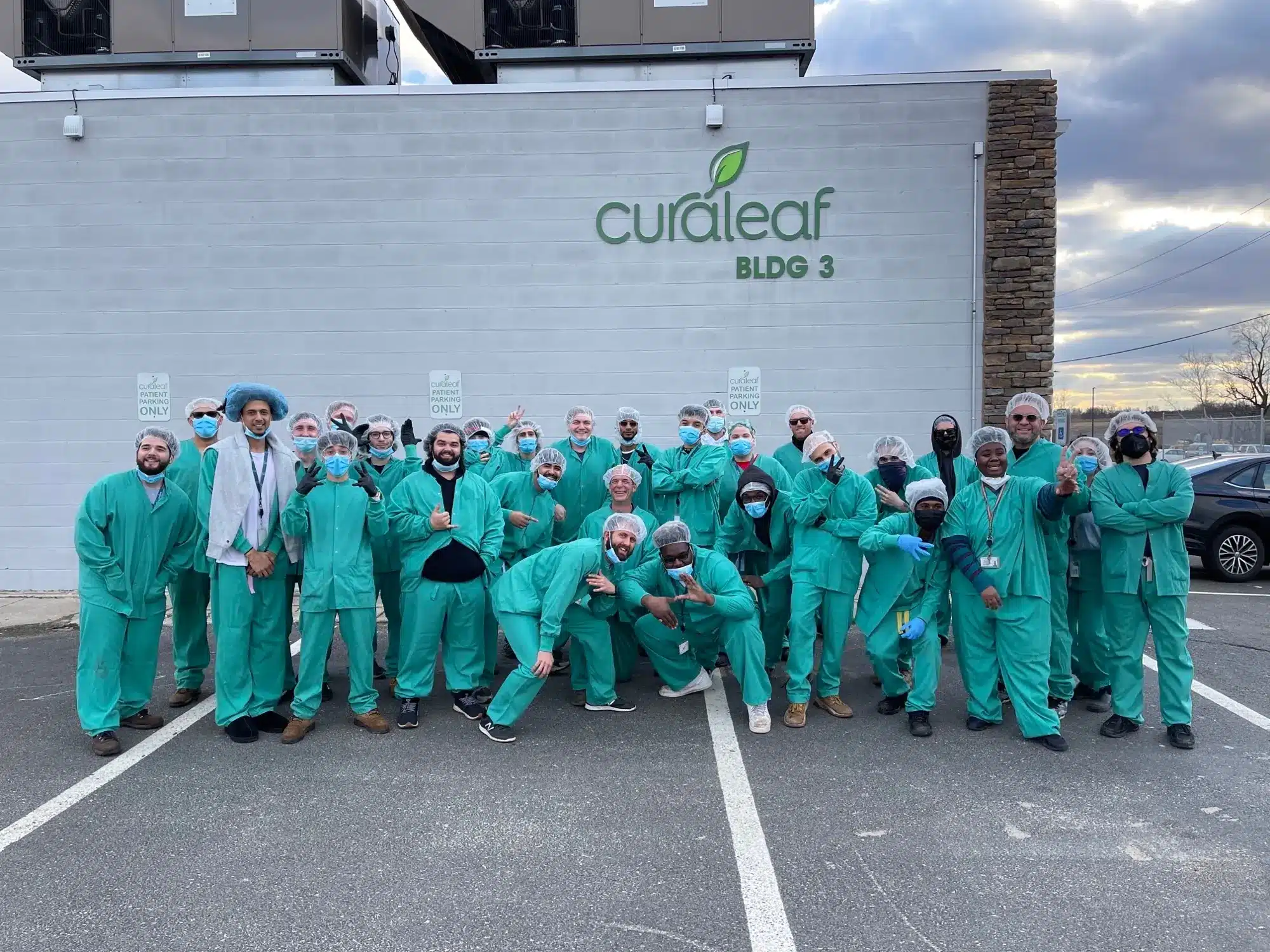
Roth Capital Markets analyst Bill Kirk reiterated a “Buy” rating on Curaleaf Holdings (Curaleaf Holdings Stock Quote, Chart, News, Analysts, Financials TSX:CURA) on Jan. 22 and maintained his $4.00 price target after the company pre-announced a fourth-quarter revenue beat and confirmed it is exiting its U.S. hemp-THC business.
Wakefield, Mass.–based Curaleaf is a multinational, vertically integrated cannabis operator with cultivation, processing, and retail assets across the United States, Europe, and Australasia.
Curaleaf said preliminary Q4 revenue was at least $330-million, ahead of consensus at $326.5-million, implying about 4% q/q growth after adjusting for discontinued operations. Adjusted gross margin is expected to be roughly 48.5%, modestly below consensus near 49.3%, reflecting seasonally heavy promotional activity, partially offset by improving trends in certain U.S. states and continued strength in international markets.
Looking ahead, Kirk said Curaleaf is pulling several levers to offset ongoing U.S. pricing pressure, including continued international expansion, a shift toward premium products, and gradual improvements in enforcement within key U.S. markets such as New York…
Kirk said Curaleaf’s decision to wind down its hemp-derived THC business should improve the company’s long-term revenue and margin profile. Hemp was an ~80-bp drag on Adjusted EBITDA margins in Q3, and management expects regulated cannabis to benefit as unregulated competition fades. The move comes as Congress has approved a ban on intoxicating hemp products containing more than 0.3% delta-9 THC, with a grace period currently running until November 13, 2026.

While marijuana and hemp come from the same cannabis species, hemp was legalized federally under the 2018 Farm Bill based on a delta-9 THC threshold. That definition created a loophole allowing intoxicating products made from chemically converted cannabinoids such as delta-8 and delta-10. Recent federal legislation tied to last year’s government funding bill effectively closes that loophole, setting the stage for a nationwide ban on hemp-derived intoxicants.
Curaleaf also confirmed it is exiting Missouri, citing a sub-scale footprint that did not justify continued investment. Kirk noted the Missouri operations contributed about $6-million in annual revenue, with capital better redeployed into higher-return markets.
Looking ahead, Kirk said Curaleaf is pulling several levers to offset ongoing U.S. pricing pressure, including continued international expansion, a shift toward premium products, and gradual improvements in enforcement within key U.S. markets such as New York. He also pointed to longer-term optionality from Curaleaf’s exposure to medical cannabis in Turkey, where the company appears to hold one of a limited number of licenses.
Kirk forecasts $265.2-million in Adjusted EBITDA on $1,270.9-million of revenue in fiscal 2025, improving to $280.2-million in Adjusted EBITDA on $1,340.8-million in revenue in fiscal 2026.
-30-
Rod Weatherbie
Writer
Rod Weatherbie is a journalist based in Prince Edward Island. Since 2004, he has written extensively about the Canadian property and casualty insurance landscape. He was also a founder and contributing editor for a Toronto-based arts website and a PEI-based food magazine. His fiction and poetry have been featured in The Fiddlehead, The Antigonish Review, and Juniper.
Related Posts
Haywood Securities says Curaleaf Holdings (Curaleaf Holdings Stock Quote, Chart, News, Analysts, Financials TSX:CURA) remains well positioned despite near-term pressure...
Beacon Securities analyst Russell Stanley said in a May 5 report that Curaleaf Holdings (Curaleaf Holdings Stock Quote, Chart, News,...