
Recreational harvesters fined total of $7,400 for illegal prawn fishing in a closed sponge reef area near Passage Island, British Columbia
NORTH VANCOUVER, BC, Nov. 2, 2026 /CNW/ — Canada’s fishing regulations help protect marine habitats and biodiversity and support sustainable fishing opportunities for future generations. Following these regulations and licence conditions helps keep marine ecosystems healthy. Illegal fishing undermines these conservation efforts and threatens the long-term sustainability of Canada’s marine resources.
On September 14, 2026, Xiu Qiang Song was convicted in North Vancouver Provincial Court of fishing during a closed time and fined $5,000. Martin Madden was previously convicted of the same violation under the British Columbia Sport Fishing Regulations on June 4, 2026, and fined $2,400.
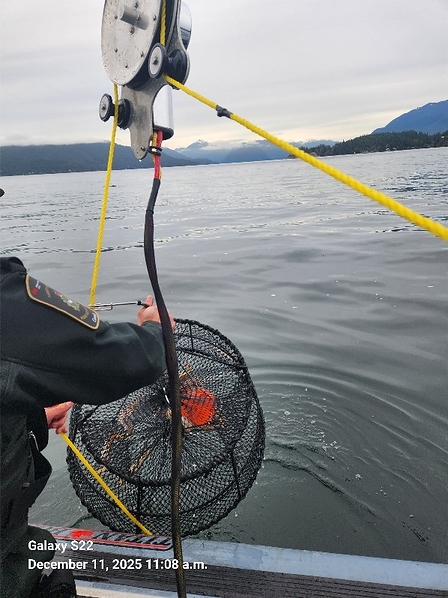
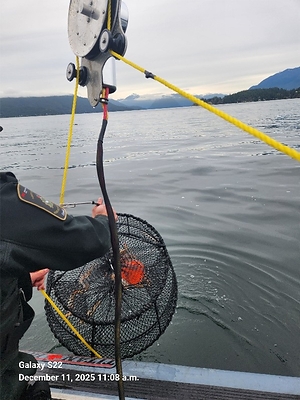
The offence occurred on December 11, 2025, near Passage Island in Howe Sound. During a routine patrol, fishery officers discovered prawn traps actively fishing in the Queen Charlotte Channel 1 Glass Sponge Reef closure area.
Fisheries and Oceans Canada (DFO) reminds recreational harvesters to respect fishing closures, which protect sensitive marine ecosystems and help sustain fish and shellfish resources for the long term.
DFO protects and conserves marine resources through enforcement of the Fisheries Act. Anyone with information about suspected fisheries violations is encouraged to call DFO Pacific Region’s toll-free reporting line at 1-800-465-4336 or email [email protected].
Quick Facts
- Glass sponge reefs are globally unique ancient ecosystems that are ecologically vital, biologically fragile, and under threat from human activity and are among the oldest living animals on Earth, with some reefs thought to be over 9,000 years old.
- In British Columbia, glass sponge reefs are found in Hecate Strait, Queen Charlotte Sound, the Strait of Georgia and Howe Sound and typically reside at depths of 90 to 300 metres. In Howe Sound they can be found as shallow as 22 metres.
- Glass sponges grow extremely slowly (1–2 cm/year) and have skeletons made of silica, making them highly vulnerable to physical damage and sedimentation.
Associated Links
- Pacific glass sponges and reefs | Pacific Region | Fisheries and Oceans Canada
- Recreational fishing regulations in British Columbia
Stay Connected
SOURCE Fisheries and Oceans (DFO) Canada
