
Eby’s Kitselas Treaty Bill Threatens Economic Certainty for Critical North Coast Trade Corridor
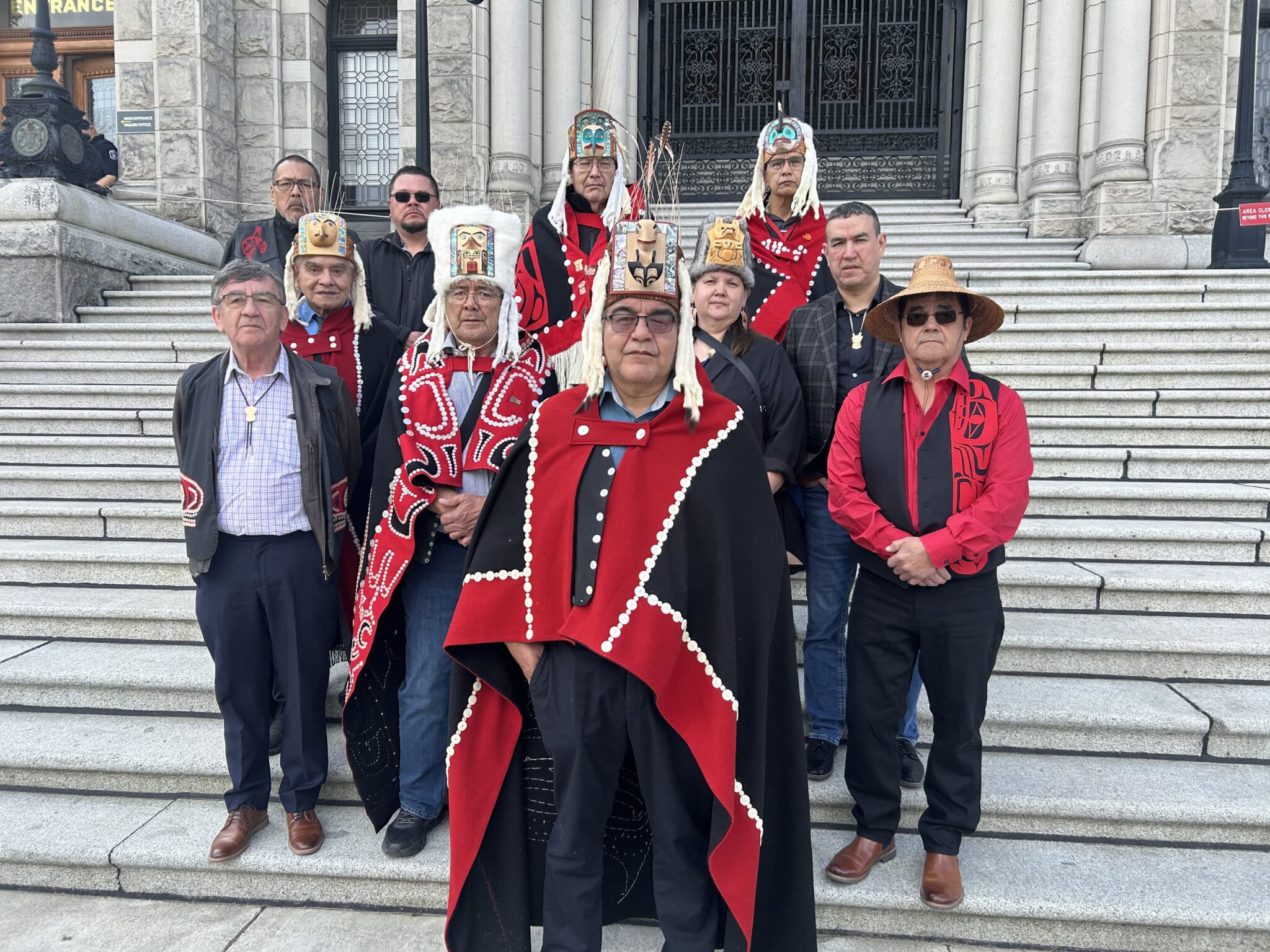
VICTORIA, BC, April 17, 2026 /CNW/ – The Nine Allied Tribes (NAT) and Lax Kw’alaams Band (LKB) called on the Province of British Columbia to immediately pause further readings of Bill 21: Kitselas Treaty Act until fundamental legal and economic concerns are resolved.
As currently drafted, the bill introduces significant uncertainty into one of Canada’s most important trade corridors, which includes the Port of Prince Rupert (the “Port”). The Port is an essential gateway for energy, agriculture, and resource exports, including from Alberta, Saskatchewan, north Territories and other regions to the global market.
Premier David Eby’s claim this week that the Kitselas treaty bill would “create a path to certainty” holds only if the treaty is built on full consultation, clear rights, and stable governance.
That has not happened here.
The NAT and LKB are one of the largest First Nations in British Columbia with over 4,000 members and holds a powerful economic and geo-political position on the North Coast. The proposed treaty would impact more than 90 per cent of the NAT and LKB’s traditional territory, without full consultation. This creates immediate and long-term risks for economic development, infrastructure planning, and private and public interests across the North Coast – as well as legal uncertainty.
This is not certainty. It creates instability.
For over a decade, the NAT and LKB consistently raised concerns with the province about the treaty’s impacts–including formal correspondence dating back to 2013. That record reflects a pattern of disregarded concerns and incomplete consultation, not a process grounded in DRIPA.
At stake is more than a single agreement.
The North Coast corridor and the Port are already under pressure, with capacity constraints and growing global competition. Introducing unclear governance and overlapping decision-making authority into this environment risks deterring major project investment, delaying projects, and undermining Canada’s ability to compete internationally.
This affects not just British Columbia, but the broader Canadian economy.
The NAT and LKB remain committed to reconciliation, to self-government, and to working collaboratively with Nations on the North Coast. But reconciliation and economic certainty require sound process, respect, and inclusion from Eby’s government.
The NAT and LKB ask remains clear: Pause this legislation, complete meaningful consultation, and fix the fundamental issues that undermine North Coast and Canada’s economic prosperity.
If the Province moves forward without addressing these concerns, the NAT and LKB will take all necessary legal, peaceful, and public steps to protect their rights, title, and the long-term interests of their people.
On April 17, Tammy Dudoward, Hanaa’na̱x (Matriarch), Nine Allied Tribes (Giltaan), stated:
“Eby has to do the right thing and pause this bill. We have always been here, and I am fighting for my grandchildren.”
On April 17, Nine Allied Tribes hereditary leader and spokesperson, Stan Dennis Jr. stated:
“We support treaties and self-government, but this process has failed to respect our rights and our territory. This bill impacts more than 90 per cent of our lands without our consent. That is not reconciliation–it is a serious risk to our future and to the relationships between our Nations.”
“We are not just the “neighbouring Nation”. This bill impacts 90 per cent of our traditional territory. We wanted to celebrate with Kitselas First Nation and their approximately 700 members one day. But Eby robbed that from both our Nations and could damage our kinship relationships forever.”
On April 17, Mayor Garry Reece, Lax Kw’alaams Band said:
“The Premier says these treaties create certainty. But for the North Coast corridor and the Port of Prince Rupert, this bill does the opposite. It introduces uncertainty at a time when Canada needs stable, reliable trade routes to global markets.”
“This is a critical gateway for Canadian exports. When you create uncertainty here, you put investment, jobs, and economic growth at risk–not just for our region, but across the country.”

SOURCE Lax Kw’alaams Band
