
WWF-Canada: The High Seas Treaty sets sail today, ushering in a new era of ocean governance without Canada — for now
TORONTO, Jan. 17, 2026 /CNW/ — World Wildlife Fund Canada (WWF-Canada) welcomes the entry into force of the High Seas Treaty, which aims to protect biodiversity in the two-thirds of the ocean that lie beyond any national jurisdiction, and urges Canada to ratify the historic agreement it championed. Until it does, Canada risks being left out of consequential decisions affecting our marine life, ocean health and our economy.
“This is a milestone moment for the world’s ocean and for all of us who depend on it,” Sam Davin, WWF-Canada Lead Specialist, Conservation and Shipping, said. “Bound by three oceans and with the largest coastline in the world, Canada has an immense responsibility to ensure the High Seas Treaty succeeds. It’s time for Canada to come on board and help protect this huge swath of the planet for marine life within and beyond our borders.”
What happens in the high seas doesn’t stay in the high seas
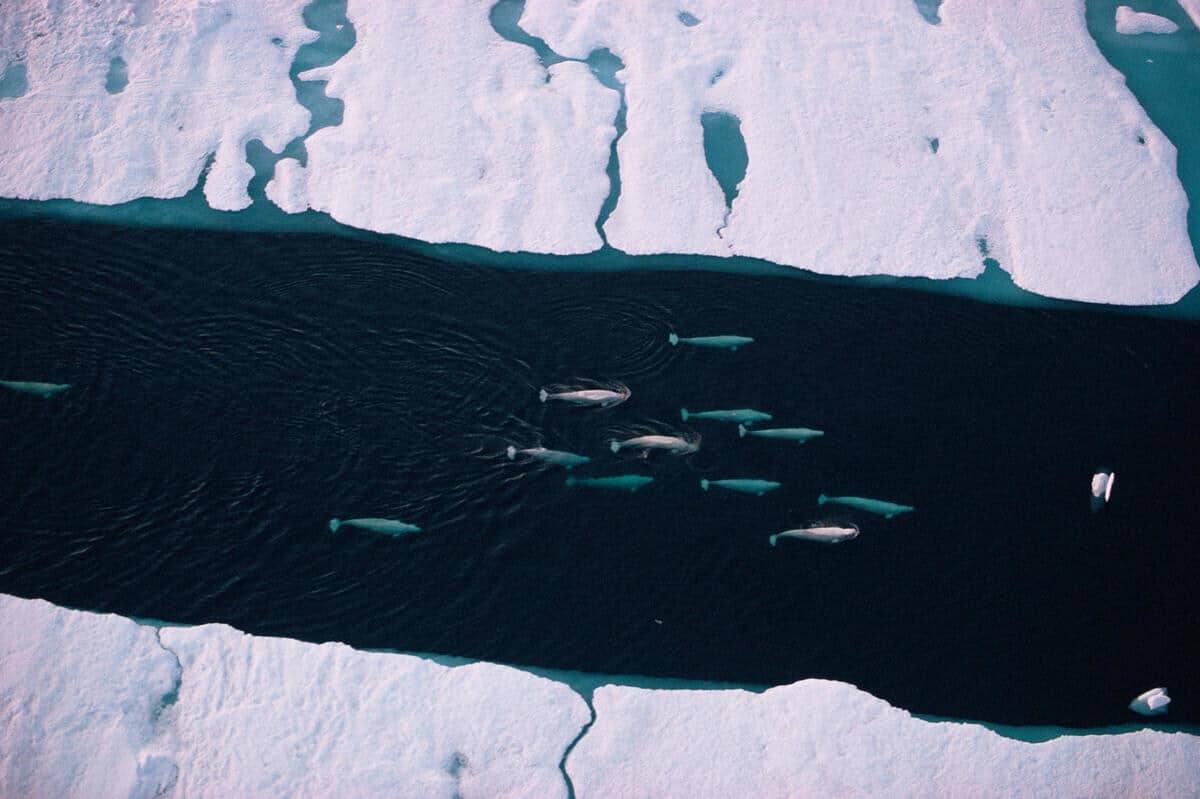
“Whales other marine species don’t recognize borders. Their lives and migratory routes often span thousands of kilometres, political boundaries and into the high seas. This makes conservation more complicated, but no less necessary,” said Erin Keenan, WWF-Canada Senior Manager for Arctic Marine Conservation.
That’s where the High Seas Treaty comes in. It provides a legal mechanism for designating high seas marine protected areas (MPAs), which could be used to protect the underwater “blue corridors” whales use to migrate and the Central Arctic Ocean, a critical habitat for narwhal, polar bear and walrus.
It also strengthens requirements for environmental impact assessments, helping protect wildlife in international waters from the impacts of shipping, fishing, resource extraction and other human activities.
“It’s essential that Canada demonstrate continued leadership, particularly in the Arctic. The High Seas Treaty is a chance to protect the Last Ice Area, one of the last strongholds of sea ice, before industrial activity can severely harm it, and to extend conservation efforts that are already underway in Canada into the Central Arctic Ocean,” Keenan added. “Canada’s participation will also help ensure Inuit leadership is part of the international dialogue.”
And as Canada diversifies its trading partnerships and increasingly relies on international marine shipping, it’s essential that it takes high seas biodiversity into account.
Canada falling behind on protected area commitments
The High Seas Treaty is an important step toward achieving the commitments made by Canada and the world under the Global Biodiversity Framework to protect 30 per cent of the ocean by 2030. Currently just over one per cent of the high seas is protected. At home, Canada has protected just 15.5 per cent of its marine and coastal ecosystems.
Notes to Editors
- The High Seas Treaty was adopted in June 2023. It reached the threshold of 60 ratifications in September 2025 required to allow it to enter into force in January 2026. It has now been ratified by more than 80 countries and the first Conference of the Parties, or ‘COP’, is expected to be held later this year.
- Canada was instrumental in moving the treaty forward and signed on in March 2024 but has not yet ratified the agreement.
- The High Seas Treaty is necessary to implement the Global Biodiversity Framework, which commits countries to protect and conserve at least 30% of the ocean, and ensure 30% of degraded areas are under restoration, by 2030. WWF emphasises that protection needs to be implemented in areas of high ecological importance to ensure integrity of ocean ecosystems and functions, and any human use of those areas must be managed or prohibited to ensure effective protection.
- While protecting 30% of the ocean is critical, WWF underscores that the remaining 70% must also be sustainably managed.
About World Wildlife Fund Canada
WWF-Canada is committed to equitable and effective conservation actions that restore nature, reverse wildlife loss and fight climate change. We draw on scientific analysis and Indigenous guidance to ensure all our efforts connect to a single goal: a future where wildlife, nature and people thrive. For more information visit wwf.ca.
SOURCE World Wildlife Fund Canada
